Natural leaf infusion to support health
Natural Leaf Infusion to Support Health: A Traditional Remedy with Modern Wisdom
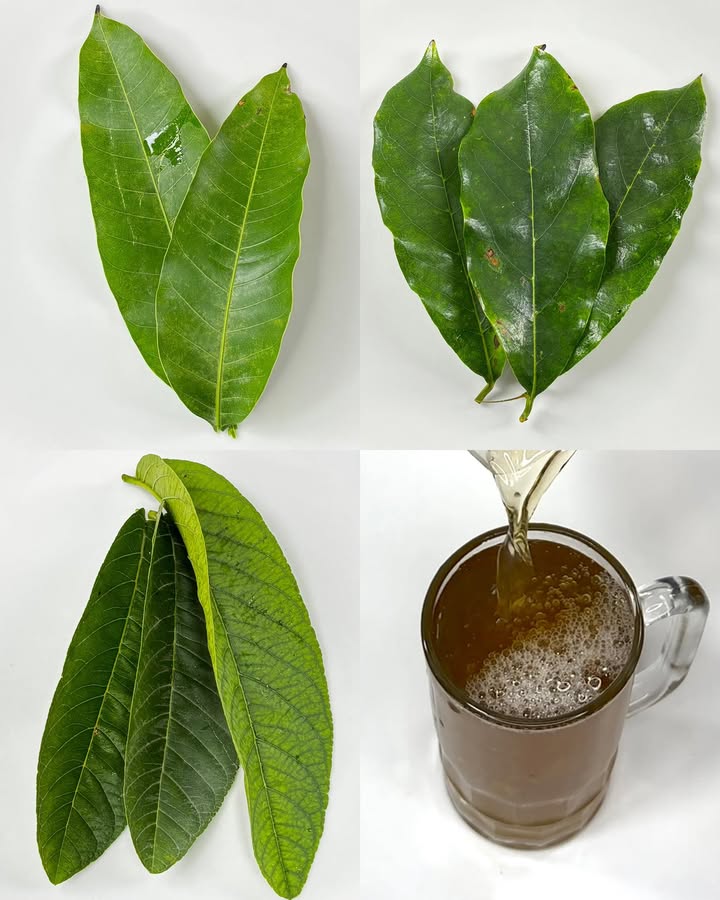
🍃 In the world of natural wellness, few traditions are as time-honored as the use of herbal infusions. This particular recipe brings together three powerful tropical leaves—guava, soursop (guanábana), and mango—along with a touch of turmeric. For generations, these ingredients have been valued in folk medicine for their antioxidant and digestive properties. But what does science say? And how can you incorporate this infusion safely into your daily routine? Let us explore the full story behind this natural leaf tea and provide you with actionable, expert-backed advice.
🌿 What Makes This Leaf Infusion Special?
Each of the three leaves contributes unique bioactive compounds. Guava leaves are rich in flavonoids and tannins, which have been studied for their antimicrobial and anti-inflammatory effects. Soursop leaves contain annonaceous acetogenins and alkaloids, traditionally used to support relaxation and digestive comfort. Mango leaves are packed with mangiferin, a potent antioxidant that may help regulate blood sugar and reduce oxidative stress. Adding turmeric, with its curcuminoids, enhances the anti-inflammatory potential of the blend. Together, these ingredients create a synergistic infusion that can be a gentle addition to a health-conscious lifestyle.
However, it is essential to understand that this is a supportive remedy, not a cure. The goal is to complement a balanced diet, regular exercise, and medical supervision—not to replace them. Let us break down the preparation, usage, and important precautions in detail.
✅ Ingredients: What You Need
- 4 guava leaves, thoroughly washed and cut into small pieces
- 4 soursop (guanábana) leaves, washed and chopped
- 4 mango leaves, cleaned and diced
- ½ liter of water (about 2 cups)
- ½ teaspoon of turmeric powder
Pro tip: Use fresh, organic leaves whenever possible. If you only have dried leaves, reduce the quantity by half, as dried herbs are more concentrated. Always source leaves from plants that have not been treated with pesticides.
📝 Step-by-Step Preparation
1️⃣ Wash and chop all leaves thoroughly. Rinse them under cool running water to remove any dust or residues. Cut them into small pieces to maximize surface area for extraction.
2️⃣ Place the leaves in a medium-sized saucepan. Add the half liter of water.
3️⃣ Add turmeric powder to the pot. Turmeric not only boosts the antioxidant profile but also gives the infusion a warm, earthy flavor.
4️⃣ Bring to a boil over medium heat. Once boiling, reduce the heat and let it simmer for 15 minutes. This allows the beneficial compounds to infuse into the water.
5️⃣ Turn off the heat, strain the liquid into a cup, and let it cool slightly before drinking. You can sweeten with a teaspoon of honey if desired, but avoid sugar to keep it truly natural.
Important: Do not reuse the same leaves for a second batch. Fresh leaves each time ensure maximum potency and avoid any risk of spoilage.
🕒 How and When to Consume
For best results, drink one cup every morning on an empty stomach, for a period of two consecutive weeks. This regimen allows your body to gradually adapt and absorb the nutrients. After the two weeks, take a break of at least one week before starting again. This cycling prevents overstimulation and respects your body’s natural rhythms.
Remember: herbal infusions work best as part of a consistent, healthy routine. Pair this tea with a diet rich in vegetables, whole grains, and lean proteins, and ensure you stay hydrated throughout the day. 🚰
⚠️ Critical Safety Information
🌱 This infusion is not a substitute for medical treatment. It should never replace prescribed medications or therapies for conditions such as cancer, diabetes, high blood pressure, or circulatory disorders. While the leaves have traditional uses, scientific evidence supporting their effectiveness for serious diseases is still limited and often conflicting.
🔍 Always consult a healthcare professional before incorporating any new herbal remedy, especially if you have a chronic illness, are pregnant or nursing, or are taking prescription drugs. Some compounds in soursop leaves, for instance, may interact with blood pressure medications or affect nerve function when consumed in large amounts. Guava leaves can lower blood sugar, so diabetic patients should monitor their levels carefully.
💊 Check for herb–drug interactions. Turmeric is known to inhibit certain liver enzymes, potentially altering how medications are metabolized. If you are on anticoagulants, antidepressants, or chemotherapy, discuss with your doctor first.
🧠 Scientific Perspective: What the Research Says
While traditional wisdom is valuable, modern science offers a more nuanced view. Studies on guava leaf extract have demonstrated antibacterial activity against E. coli and Staphylococcus aureus, as well as potential benefits for diarrhea and blood sugar control. Soursop leaf research is more controversial: some in vitro studies show anti-cancer properties, but human trials are lacking, and high doses may be neurotoxic. Mango leaf contains mangiferin, which has shown promise in reducing inflammation and oxidative stress in animal models. Turmeric is the most studied, with strong evidence for anti-inflammatory effects, though bioavailability is low unless combined with black pepper or fat.
The takeaway? This infusion can be a supportive tool for general wellness, but do not expect it to treat or cure disease. Think of it as a gentle, natural boost—not a magic bullet. 🎯
💚 Final Thoughts: Integrating Herbal Wisdom with Modern Care
Herbal infusions like this one remind us of the deep connection between nature and health. They offer a simple, affordable way to incorporate antioxidants and digestive support into daily life. However, the key to true well-being lies in a holistic approach: balanced nutrition, regular physical activity, adequate sleep, stress management, and regular medical checkups.
Remember: Plants can help, but they are not replacements for professional care. Use this leaf infusion as a complement to your health journey, not as a shortcut. Start with the two-week cycle, listen to your body, and always prioritize safety. If you experience any adverse reactions—such as digestive upset, dizziness, or skin rashes—discontinue use and consult your doctor.
🌿 Call to action: Try this infusion with an open mind and a cautious heart. Share your experience with your healthcare provider, and let nature’s gentle support enhance your path to vitality.
Disclaimer: This article is for educational purposes only and does not constitute medical advice. Always seek the guidance of a qualified health professional with any questions regarding your health or a medical condition.
Deja una respuesta