Natural leaf infusion to support health
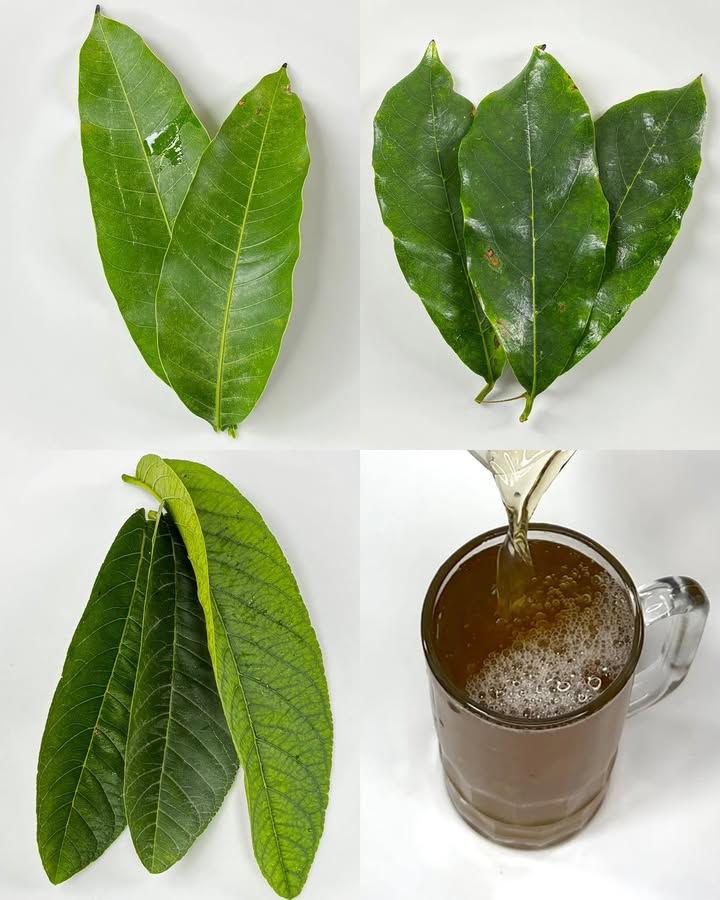
🌿 Discover the power of nature with this carefully crafted natural leaf infusion designed to support your overall health. Combining the antioxidant‑rich leaves of guava, soursop, and mango with a touch of turmeric, this traditional herbal remedy offers a gentle, daily boost for your digestive system and immune defenses. In this article, you will learn not only the exact preparation method but also the science behind each ingredient, practical consumption tips, and essential safety considerations. Let's explore how a simple cup of tea can become a meaningful part of your wellness routine.
🌱 Why This Infusion? The Synergy of Three Medicinal Leaves
Traditional medicine across tropical regions has long valued the leaves of guava, soursop (Annona muricata), and mango for their potent bioactive compounds. Guava leaves are rich in flavonoids and tannins, known for their antioxidant and anti‑diarrheal properties. Soursop leaves contain acetogenins and alkaloids, traditionally used to support cellular health and mild sedation. Mango leaves are packed with mangiferin, a powerful polyphenol that helps regulate blood sugar and fights oxidative stress. When combined with turmeric’s curcumin, this infusion creates a synergistic blend that targets inflammation, digestion, and overall vitality. Each leaf contributes unique phytonutrients, making this tea a simple yet comprehensive natural supplement.
🛒 Ingredient Breakdown and How to Source Them
To prepare this infusion, you will need:
- 4 fresh guava leaves – Wash thoroughly and chop into small pieces to release more surface area for extraction. Look for young, bright green leaves without spots.
- 4 fresh soursop leaves – These are slightly thicker; crush them gently after washing to break the cell walls and enhance infusion.
- 4 fresh mango leaves – Choose tender leaves from a healthy mango tree. Avoid leaves that show signs of pests or disease.
- ½ liter of filtered water – Using purified water ensures no chlorine or impurities interfere with the extraction of beneficial compounds.
- ½ teaspoon turmeric powder – Opt for organic turmeric with a high curcumin content. You can also use a small piece of fresh turmeric root (about 1 cm) for a more pungent flavor.
If fresh leaves are unavailable, dried leaves work well too. Use approximately 2–3 dried leaves per fresh leaf called for in the recipe. Store dried leaves in an airtight container away from light.
🧪 Step‑by‑Step Preparation: From Leaves to Cup
- Clean and cut the leaves – Rinse each leaf under running water, then pat dry. Chop them into roughly 1‑cm pieces to maximize extraction without making them too fine.
- Combine in a pot – Place the chopped leaves in a non‑reactive saucepan (stainless steel or glass). Add the ½ liter of filtered water.
- Add turmeric – Stir in the ½ teaspoon of turmeric powder. If using fresh turmeric, grate it finely before adding.
- Boil gently – Bring the mixture to a boil over medium‑high heat, then reduce to medium‑low. Let it simmer uncovered for 15 minutes. This time allows the water‑soluble compounds to infuse without degrading heat‑sensitive nutrients.
- Strain and serve – Remove from heat. Pour through a fine‑mesh strainer or cheesecloth into a teapot or directly into a mug. Discard the spent leaves. Tip: You can sweeten with a teaspoon of raw honey or a slice of lemon after straining, but avoid adding milk or sugar that could interfere with absorption.
✔️ Pro tip: For a stronger infusion, let the leaves steep in the hot water for an extra 5 minutes after turning off the heat, covered. This enhances the extraction of fat‑soluble components like curcumin with the help of the water’s residual heat.
⏰ How to Drink This Infusion for Best Results
Consistency matters more than quantity. The recommended regimen is one cup (about 200 ml) each morning on an empty stomach, for two consecutive weeks. Drinking it before breakfast allows the active compounds to be absorbed without competition from food. After the two‑week period, you can take a break of one week before resuming, or reduce frequency to three times per week as a maintenance tonic. Pair the infusion with a balanced diet rich in fruits, vegetables, and whole grains, and ensure you stay well hydrated throughout the day. This tea is not a meal replacement but a supportive herbal supplement.
Important: If you have a sensitive stomach, you may drink it after a light breakfast to avoid any acidic sensation. Turmeric can stimulate bile production, which is beneficial for digestion but may cause discomfort in some individuals.
🔬 Scientific Context: What the Research Says
While traditional use spans centuries, modern studies have begun to validate many of these claims. Guava leaf extract has been shown in clinical trials to reduce diarrhea duration and has antimicrobial activity against Staphylococcus aureus and E. coli. Soursop leaf contains annonaceous acetogenins that have demonstrated selective toxicity against cancer cells in vitro, though human studies are still limited. Mango leaf’s mangiferin exhibits anti‑diabetic, anti‑inflammatory, and neuroprotective effects in animal models. Turmeric’s curcumin is one of the most studied natural anti‑inflammatory compounds, with over 10,000 peer‑reviewed articles. However, remember that these are supportive findings, not medical approvals. The infusion should never replace prescribed treatments, but it can serve as a complementary wellness practice under professional guidance.
⚠️ Safety First: Precautions and Contraindications
Nature is powerful, and with power comes responsibility. Please read the following carefully:
- This infusion is NOT a substitute for medication. It does not cure cancer, diabetes, high blood pressure, or circulatory disorders. If you are under medical care, do not stop or alter your prescriptions without consulting your doctor.
- Consult a healthcare professional before starting any herbal regimen, especially if you have a chronic condition, are pregnant, breastfeeding, or are planning surgery. Some compounds in these leaves can interact with blood thinners, diabetes medications, or chemotherapy agents.
- Potential side effects: Excessive consumption (more than 2–3 cups daily) may cause stomach upset, diarrhea, or allergic reactions. Soursop leaves, in particular, contain alkaloids that may affect the nervous system when taken in very high doses over long periods. Stick to the recommended amount.
- Quality matters: Ensure leaves are free from pesticides, herbicides, or pollution. Wash them thoroughly, and if possible, grow your own or buy from organic sources.
💚 Final Thoughts: Embracing Herbal Wisdom with an Informed Mind
The natural leaf infusion you just learned to prepare is a beautiful example of how traditional knowledge and modern science can work together. By incorporating the antioxidant‑rich leaves of guava, soursop, mango, and turmeric into a daily ritual, you give your body a gentle, natural tool to support digestion, reduce inflammation, and enhance overall vitality. But remember: herbs are allies, not substitutes. The true foundation of health remains a balanced diet, regular physical activity, adequate sleep, stress management, and routine medical check‑ups. Use this infusion as a complementary practice – a warm, mindful moment in your morning that connects you with nature’s pharmacy. Start your two‑week journey tomorrow, and observe how your body responds. As always, listen to your body and seek professional advice when in doubt. Here’s to your health! 🍃✨
Deja una respuesta