Natural leaf infusion to support health
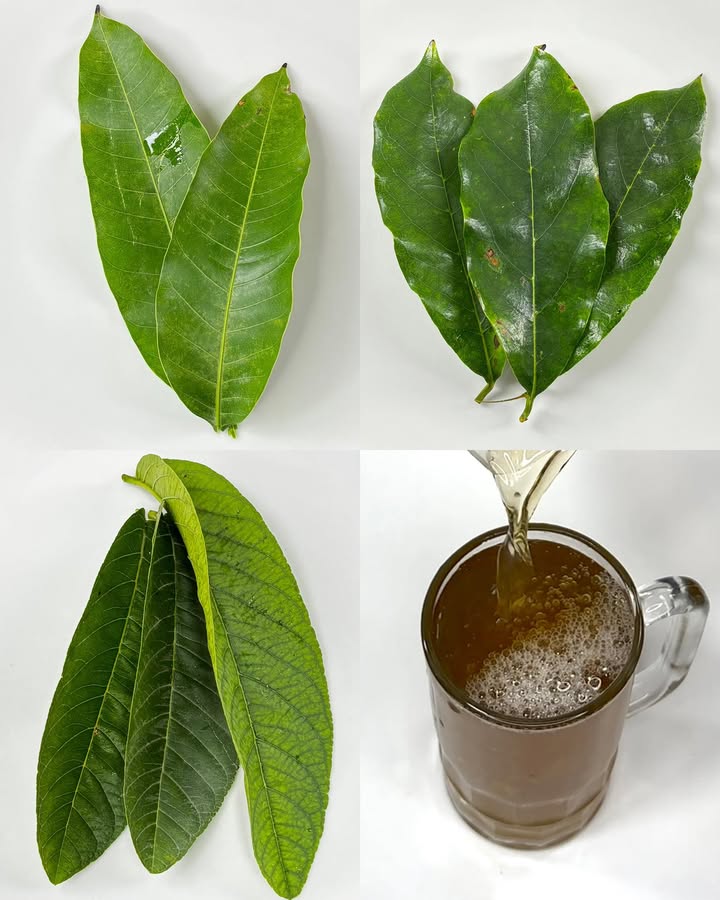
Introduction: A Traditional Herbal Blend for Everyday Wellness
In the world of natural remedies, few combinations are as revered as the trio of guava, soursop, and mango leaves. For generations, these plants have been used in folk medicine across tropical regions to support digestion, boost antioxidant defenses, and promote overall vitality. This article explores a simple yet powerful natural leaf infusion that brings together these three leaves along with turmeric — a spice celebrated for its anti‑inflammatory properties. Whether you are new to herbal teas or a seasoned enthusiast, understanding the science and tradition behind this blend can help you incorporate it wisely into your routine. 🌿
The recipe originally calls for four leaves of each plant, half a liter of water, and a pinch of turmeric powder. But beyond the instructions lies a rich tapestry of phytochemicals: polyphenols, flavonoids, and curcuminoids that work synergistically. In the following sections, we will break down each ingredient, explain how to prepare and consume the infusion safely, and discuss important precautions. Remember: this is a supportive drink, not a cure. Let’s dive into the details. 💚
Ingredient Spotlight: Why These Leaves?
Guava leaves (Psidium guajava) are packed with antioxidants like quercetin and vitamin C. Traditional medicine uses them to relieve diarrhea, reduce blood sugar spikes, and soothe an upset stomach. Modern studies confirm their antimicrobial and anti‑inflammatory actions. 🍃
Soursop leaves (Annona muricata) have gained attention for their acetogenins — compounds studied for their potential to target cancer cells in laboratory settings. However, human evidence is limited. What is well‑known is their ability to calm the nervous system and support digestive health when used occasionally. 🌿
Mango leaves (Mangifera indica) are rich in mangiferin, a xanthonoid with strong antioxidant and antidiabetic properties. In Ayurveda, they are often used to regulate blood pressure and improve circulation. Chewing young mango leaves is a traditional remedy for diabetes. 🥭
Turmeric (Curcuma longa) adds curcumin, a powerful anti‑inflammatory compound. Even a small amount can enhance the bioavailability of many plant compounds, making the infusion more effective. 🌞
Step‑by‑Step Preparation: Making Your Infusion
Creating this leaf tea is straightforward, but attention to cleanliness and brewing time makes a difference. Follow these detailed steps for the best results:
- Wash thoroughly: Rinse 4 guava leaves, 4 soursop leaves, and 4 mango leaves under running water. Gently scrub any dirt or residues. Pat them dry or let them air‑dry for a few minutes.
- Chop into small pieces: Cutting the leaves (about 1‑inch squares) increases the surface area, allowing more active compounds to extract into the water. ✂️
- Boil with water and turmeric: Place the chopped leaves in a pot with ½ liter (about 2 cups) of filtered water. Add ½ teaspoon of turmeric powder. Bring to a boil over medium heat.
- Simmer for 15 minutes: Once boiling, reduce heat and let it simmer gently for exactly 15 minutes. Do not over‑boil, as prolonged heat can degrade some sensitive phytochemicals.
- Strain and serve: Turn off the heat. Strain the infusion through a fine‑mesh sieve or cheesecloth into a cup. Discard the spent leaves. You can drink it warm or let it cool to room temperature.
Pro tip: Add a squeeze of lemon or a small slice of ginger after straining to improve flavor and boost vitamin C absorption. Avoid sweeteners like sugar or honey if you are monitoring blood glucose levels.
When and How to Consume for Maximum Benefit
The recommended regimen is one cup every morning for two consecutive weeks. This short cycle allows your body to experience the cumulative effects without overloading on any single plant compound. After two weeks, take at least a one‑week break before considering another cycle. 🌅
Consuming the infusion on an empty stomach (about 30 minutes before breakfast) may enhance absorption. However, if you experience any discomfort, drink it with a small snack. Listen to your body — herbal teas affect everyone differently.
Important: This infusion is not a meal replacement or a detox “cleanse.” It should be part of a balanced diet rich in whole foods, regular physical activity, and adequate sleep. Think of it as a supportive ally, not a magic potion.
Scientific Perspective: What Does Research Say?
While traditional use is centuries old, modern science is catching up. A 2020 review in the Journal of Ethnopharmacology highlighted guava leaf extract’s ability to reduce blood glucose levels in animal models. Similarly, mango leaf extract has shown promise in improving insulin sensitivity. Soursop leaf studies are more controversial — some in‑vitro studies suggest anticancer activity, but clinical trials are lacking, and high doses may cause neurological side effects. 🧪
Turmeric’s curcumin is perhaps the most researched compound of the group. Its anti‑inflammatory effects have been documented in over 10,000 peer‑reviewed studies. However, curcumin is poorly absorbed on its own; combining it with leaves that contain piperine‑like compounds (found in black pepper) would increase absorption, but this recipe does not include pepper. Still, even small amounts of curcumin contribute to antioxidant activity. ✅
It is crucial to understand that these findings do not equate to medical recommendations. The dosages used in studies are often far higher than those in a cup of tea. Moreover, whole‑leaf infusions contain multiple compounds that interact in complex ways. Always approach such remedies with scientific humility.
Safety First: Who Should Avoid This Infusion?
⚠️ This infusion is not a substitute for prescribed medications or medical treatments. Specifically:
- If you have diabetes, monitor your blood sugar closely, as the leaves may lower glucose. Adjust medication only under a doctor’s supervision.
- If you have high blood pressure or circulatory issues, consult your healthcare provider before regular consumption. Mango leaves can have mild hypotensive effects.
- If you are pregnant, breastfeeding, or planning surgery, avoid this tea due to potential hormonal or sedative effects.
- Drug interactions are possible. Guava leaves may interfere with blood‑thinning medications like warfarin. Turcuminoids can affect liver enzymes that metabolize many drugs.
Always start with a small amount (¼ cup) to test your tolerance. If you experience nausea, dizziness, rash, or digestive upset, discontinue use and consult a professional. 👩⚕️
Conclusion: A Gentle Step Toward Holistic Health
This natural leaf infusion blends four time‑honored ingredients into a simple daily ritual. Guava, soursop, mango leaves, and turmeric each bring unique compounds that support digestion, antioxidant defense, and overall balance. When prepared correctly and consumed as part of a healthy lifestyle — not as a replacement for medical care — it can be a pleasant and potentially beneficial addition to your morning routine. 🌱
Remember: True wellness comes from consistency—regular exercise, balanced nutrition, stress management, and professional medical guidance. Herbal teas are companions, not cures. Use them wisely, stay informed, and always prioritize your long‑term health over short‑term trends. Now, brew a cup, savor the earthy flavors, and toast to your well‑being. ☕💚
Disclaimer: This article is for informational purposes only and does not constitute medical advice. Always consult a qualified healthcare professional before starting any herbal regimen, especially if you have a chronic condition or are taking medication.
Deja una respuesta