Natural leaf infusion to support health
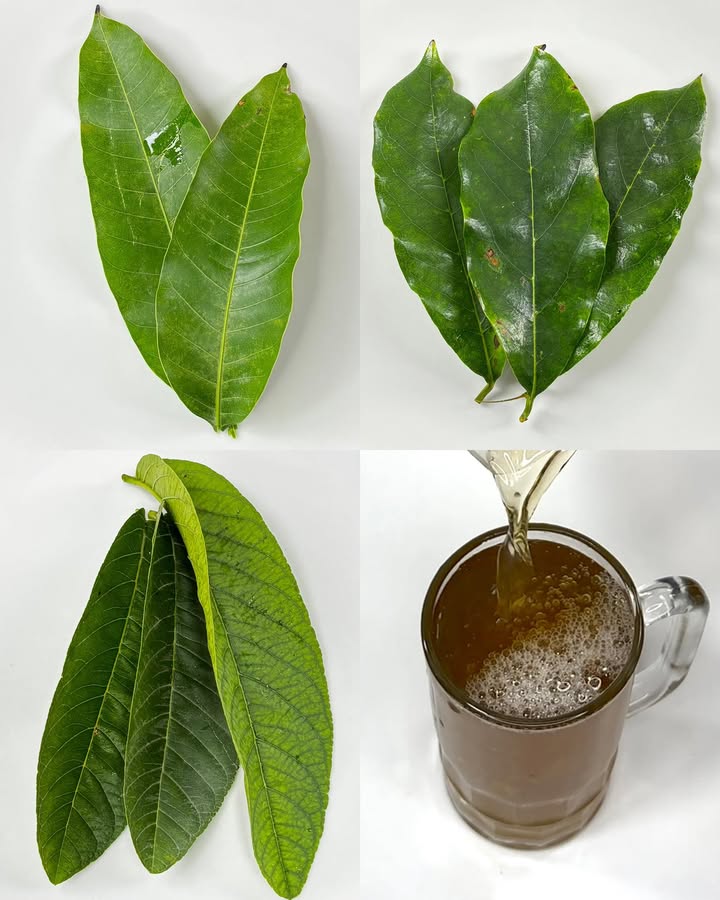
Introduction: A Gentle Blend of Nature’s Wisdom 🌿
In the world of natural wellness, few combinations are as harmonious and time‑honored as the one you are about to discover. This infusion brings together guava leaves, soursop (guanábana) leaves, mango leaves, and a pinch of turmeric — ingredients that have been used for generations in traditional medicine across tropical regions. Why this specific quartet? Because each leaf carries a unique set of antioxidants and digestive‑supporting compounds, while turmeric adds its well‑known anti‑inflammatory power. Together, they create a gentle yet effective herbal tea that can become a meaningful part of your morning routine.
In this article, we will walk you through the exact recipe, explain the science‑backed benefits of each component, share practical consumption tips, and — most importantly — clarify when and how this infusion should be used. Our goal is to help you make informed choices about your health, blending traditional knowledge with modern caution. Let’s dive in. 🧑🌾☕
Why This Infusion? The Power of Each Ingredient 🌟
Before we get to the recipe, let’s understand what makes these leaves so special. Traditional medicine doesn’t use them by accident — each one has a documented role in supporting bodily functions.
Guava leaves (Psidium guajava) are rich in flavonoids like quercetin and vitamin C. Studies suggest they can help reduce diarrhea, improve digestion, and act as a natural antimicrobial. Their astringent properties also help soothe the intestinal lining. 🍃
Soursop leaves (Annona muricata) contain acetogenins, which are compounds known for their antioxidant and anti‑inflammatory effects. In folk medicine, they are often used to calm the nervous system and support the immune system. Some preliminary research even points to potential benefits for blood sugar regulation. 🌱
Mango leaves (Mangifera indica) are packed with mangiferin, a powerful antioxidant that may help lower blood pressure and improve cholesterol levels. They are also traditionally used to treat respiratory issues and stomach discomfort. 🥭
Turmeric (Curcuma longa) needs little introduction. Curcumin, its active compound, is a renowned anti‑inflammatory and antioxidant. Combined with black pepper (optional, but recommended for absorption), turmeric enhances the infusion’s overall protective potential. 🌶️
This combination creates a synergistic effect: the leaves provide a broad spectrum of polyphenols, while turmeric amplifies the anti‑inflammatory response. The result is a drink that supports digestive health, immune function, and general vitality — when used correctly. 🔬
Complete Recipe: Natural Leaf Infusion 📋
Here is the exact recipe from the original source, with additional tips to maximize flavor and extraction.
Ingredients 🛒
- 4 guava leaves — thoroughly washed and cut into small pieces
- 4 soursop leaves — washed and chopped
- 4 mango leaves — cleaned and roughly cut
- ½ liter of water (approximately 2 cups)
- ½ teaspoon turmeric powder (or a small piece of fresh turmeric, sliced)
- Optional: a pinch of black pepper — improves curcumin absorption by up to 2000%
- Optional: a teaspoon of raw honey or stevia — if you prefer a sweeter taste
Step‑by‑Step Preparation 🧑🍳
- Wash and cut all leaves. Remove any stems or damaged parts. Cutting them increases the surface area for better extraction of beneficial compounds.
- Place the leaves in a saucepan and add the ½ liter of water.
- Add the turmeric (and black pepper if using). Stir gently to combine.
- Bring to a boil over medium‑high heat, then reduce heat to medium‑low and simmer for 15 minutes. Cover the saucepan to prevent evaporation of volatile oils.
- Turn off the heat, let it cool for 2‑3 minutes, then strain the liquid into a teacup or glass jar. The remaining leaves can be composted.
- Serve warm. If you add honey, wait until the tea is drinkable (below 60°C / 140°F) to preserve its enzymes.
Pro tip: You can prepare a larger batch (e.g., 1 liter) and store it in the refrigerator for up to 48 hours. Reheat gently — do not boil again, as high heat may degrade some antioxidants. ❄️
When and How to Drink It for Best Results ⏰
The original suggestion is to consume one cup each morning for two consecutive weeks. This makes sense because herbal teas often require consistent intake to build up beneficial compounds in your system. However, a few additional guidelines will help you get the most out of this infusion:
- Drink on an empty stomach — at least 20‑30 minutes before breakfast. This allows the antioxidants to be absorbed without competition from food. 🌅
- Do not exceed one cup per day unless advised by a healthcare professional. More is not better; each leaf has potent compounds that may cause side effects in high doses (e.g., soursop leaves can affect blood pressure if overused). ☝️
- Cycle your use. After two weeks, take a break of at least one week before resuming. This prevents your body from building tolerance and reduces any risk of accumulating certain alkaloids. 🔄
- Observe how you feel. Some people may experience slight digestive changes or increased urination — both normal reactions. If you notice discomfort, stop and consult a professional.
Remember, this infusion is not a magic bullet. It works best when combined with a balanced diet, regular physical activity, adequate sleep, and stress management. Think of it as one supportive tool in your wellness toolkit, not a replacement for medical care. 🛠️
Important Warnings and Medical Considerations ⚠️
While this drink is generally safe for healthy adults, there are crucial points to keep in mind. The original article already lists a few, but let’s expand on them for clarity.
🚫 Does NOT replace medical treatment — This infusion cannot cure or treat cancer, diabetes, hypertension, or circulatory disorders. If you have any of these conditions, follow your doctor’s advice and use herbal remedies only as a supplement — never as a substitute. ❗
💊 Possible interactions with medications — Guava leaves may lower blood sugar and blood pressure, so if you take diabetes or hypertension medication, monitor your levels closely. Soursop leaves can affect the nervous system and may interact with sedatives or antidepressants. Turmeric is a blood thinner — if you are on warfarin or aspirin, talk to your doctor. 🔍
👩⚕️ Chronic illnesses and pregnancy — If you are pregnant, breastfeeding, or have a chronic condition (liver, kidney, autoimmune), do not use this infusion without professional approval. Some compounds in soursop leaves, for instance, have been linked to neurotoxicity in very high doses, though the amounts in a daily tea are considered safe for most people. Still, better safe than sorry. 🤰
👶 Children and elderly — The infusion is not recommended for children under 12 or for frail elderly individuals without medical guidance. Their bodies metabolize plant compounds differently.
Conclusion: Embrace the Leaf – But with Responsibility 🌎
This natural leaf infusion brings together four powerful plants — guava, soursop, mango, and turmeric — in a simple, time‑tested preparation. It offers a gentle way to support digestion, antioxidant defense, and overall wellness when used as part of a healthy lifestyle. The recipe is straightforward, the taste is pleasantly earthy and slightly tangy, and the ritual of brewing it each morning can be a calming start to your day. ☕🌿
However, the most important takeaway is this: herbal remedies are helpers, not healers. They work best in synergy with conventional medicine and self‑care. Before you start any new herbal regimen, especially if you have an existing condition or take medication, consult a qualified healthcare professional. Your health is too precious to leave to guesswork.
We hope this article has given you both the practical knowledge and the caution you need to enjoy this infusion safely. Remember, a healthy life is built on small, consistent choices — a cup of tea, a walk in nature, a conversation with your doctor. Start today, and let nature’s leaves support your journey. 💚
“Let food be thy medicine and medicine be thy food.” — Hippocrates
Deja una respuesta