Natural leaf infusion to support health
Natural Leaf Infusion to Support Health
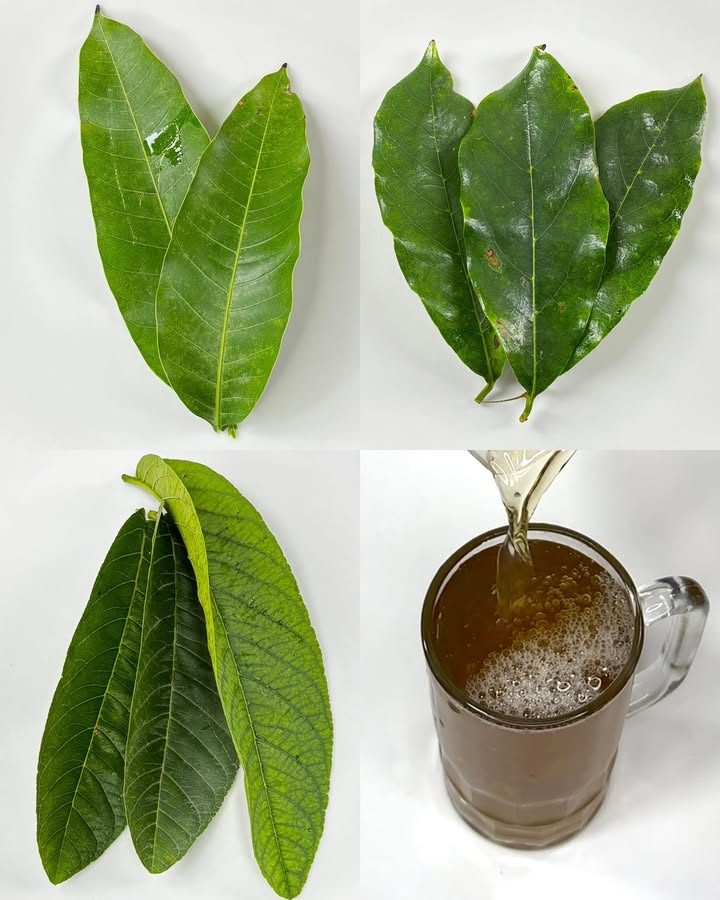
🌿 In a world where modern medicine often takes center stage, traditional herbal remedies continue to offer gentle yet powerful support for our well-being. This carefully crafted infusion combines guava leaves, soursop (guanábana) leaves, mango leaves, and a touch of turmeric—four ingredients deeply rooted in natural medicine for their antioxidant and digestive properties. This article explores the science behind these leaves, provides a step‑by‑step preparation guide, and offers practical advice on how to integrate this tea into a balanced lifestyle. Whether you are looking to support your digestion, boost your antioxidant intake, or simply enjoy a warm, nourishing drink, this guide has you covered.
🌱 Why These Four Ingredients?
Guava leaves are rich in flavonoids and tannins, known for their antimicrobial and anti‑diarrheal effects. Studies suggest they may help regulate blood sugar levels and reduce inflammation. Soursop leaves contain acetogenins and alkaloids, traditionally used to calm the nervous system and support immune function. Mango leaves are packed with mangiferin, a potent antioxidant that has been linked to improved metabolism and liver health. Finally, turmeric delivers curcumin, a powerhouse anti‑inflammatory compound that enhances the overall synergy of this infusion. Together, these leaves create a unique blend that supports digestive health, natural detox pathways, and overall vitality.
📋 Ingredients – What You’ll Need
To prepare a single batch (about 2 to 3 cups), gather the following fresh or dried ingredients:
- 4 guava leaves – thoroughly washed and chopped into small pieces
- 4 soursop leaves – washed and roughly chopped
- 4 mango leaves – cleaned and cut into small bits
- ½ liter of water – filtered or spring water preferred
- ½ teaspoon turmeric powder – or a small piece of fresh turmeric, grated
💡 Pro tip: If using dried leaves, reduce the quantity by half since dried leaves are more concentrated. Always source leaves from organic, pesticide‑free trees when possible.
🧾 Step‑by‑Step Preparation
Making this infusion is simple and requires only a few minutes of active time. Follow these steps for the best results:
- Wash and chop the leaves – Rinse each variety under cold running water to remove any dust or residues. Pat dry, then cut into small pieces to increase surface area for extraction.
- Combine in a saucepan – Place all chopped leaves into a medium‑sized pot. Add the ½ liter of water.
- Add turmeric – Sprinkle the turmeric powder (or add fresh turmeric) directly into the water.
- Boil gently – Bring the mixture to a boil over medium heat, then reduce to a simmer. Let it cook for 15 minutes uncovered. This allows the beneficial compounds to infuse fully.
- Strain and serve – Turn off the heat. Use a fine‑mesh strainer or cheesecloth to separate the liquid from the leaves. Pour the warm tea into a cup and enjoy.
🕒 You can store the remaining infusion in the refrigerator for up to 24 hours. Reheat gently before drinking—do not microwave as it may degrade some active compounds.
☕ Recommended Consumption Mode
For best results, drink one cup (about 200 ml) every morning on an empty stomach. Continue this routine for two consecutive weeks as part of a balanced diet and healthy lifestyle. After two weeks, take a break of at least one week before resuming. Herbal infusions work gradually, so consistency is key—but always listen to your body.
🍵 Tip: You can add a teaspoon of raw honey or a slice of lemon to improve taste without compromising the infusion’s properties. Avoid adding sugar or artificial sweeteners.
⚠️ Important Safety Information
While this infusion is generally safe for most healthy adults, it is not a substitute for medical treatment. Please read the following carefully:
- ✔️ This tea does not replace medications or medical therapies for conditions such as cancer, diabetes, high blood pressure, or circulatory problems.
- ✔️ Consult your doctor before starting any herbal remedy if you have a chronic illness or are pregnant, breastfeeding, or planning surgery.
- ✔️ If you are taking prescription medications, especially blood thinners, diuretics, or insulin, check for potential herb‑drug interactions. Guava and mango leaves may affect blood sugar levels, so monitor glucose closely.
- ✔️ Some people may experience mild digestive upset when first introducing herbal teas. Start with half a cup and increase gradually.
🚫 Do not use this infusion as a sole treatment for any serious condition. Always seek professional medical advice for diagnosis and treatment.
💚 The Bigger Picture – Lifestyle Beyond the Cup
Herbal infusions are powerful allies, but they work best when paired with a holistic approach to health. Think of this tea as a supportive tool, not a magic bullet. To truly support your body, consider these pillars:
- Balanced nutrition – Emphasize whole foods, vegetables, fruits, lean proteins, and healthy fats.
- Regular physical activity – Even 30 minutes of walking daily makes a difference.
- Adequate sleep – Aim for 7–9 hours of restful sleep each night.
- Stress management – Practice mindfulness, deep breathing, or journaling.
- Routine medical check‑ups – Stay on top of screenings and follow‑ups with your healthcare provider.
🌿 Remember: Nature offers us many gifts, but our own choices determine how we harness them. This leaf infusion can be a delightful, health‑conscious addition to your morning ritual—but it shines brightest when it complements a foundation of healthy habits.
🔬 Scientific Context and Traditional Wisdom
Traditional medicine systems in Central and South America, as well as parts of Asia, have long used guava, soursop, and mango leaves for digestive complaints, fever, and as general tonics. Modern research is beginning to validate these uses. For example, a 2020 review in Journal of Ethnopharmacology highlighted the antimicrobial activity of guava leaf extracts. Similarly, soursop leaves have shown promise in laboratory studies for their antioxidant capacity. Mango leaf’s mangiferin has been studied for its ability to support glucose metabolism and protect liver cells. However, most studies are preliminary and done on cells or animals—human trials are still limited. This underscores the importance of using herbal remedies as complementary, not alternative, approaches.
✅ Final Tips for Maximum Benefit
- 🌿 Harvest leaves in the morning after dew has evaporated for optimal freshness.
- 🧊 If you have an abundance of leaves, dry them in the shade and store in an airtight container. Dried leaves can be used for months.
- 🔄 Rotate herbal teas to avoid over‑reliance on one plant. Different leaves offer different phytonutrients.
- 📓 Keep a journal of how you feel after drinking the infusion—note any changes in digestion, energy levels, or mood. This helps you and your doctor make informed decisions.
💬 Conclusion – A Gentle Nudge for Your Wellness Journey
This natural leaf infusion is more than just a recipe—it is a reminder that simple, time‑honored ingredients can play a meaningful role in our daily health. By combining guava, soursop, mango leaves, and turmeric, you create a beverage rich in antioxidants and digestive support. Yet its true power lies in how it fits into your broader lifestyle: as a morning ritual that encourages mindfulness, hydration, and self‑care.
Let this article serve as both a guide and an invitation. Start small: try the infusion for two weeks, observe your body’s response, and share your experience with your healthcare provider. Herbal wisdom meets modern science when we stay curious and cautious. Here’s to your health—one cup at a time. 🌟
Deja una respuesta