Natural leaf infusion to support health
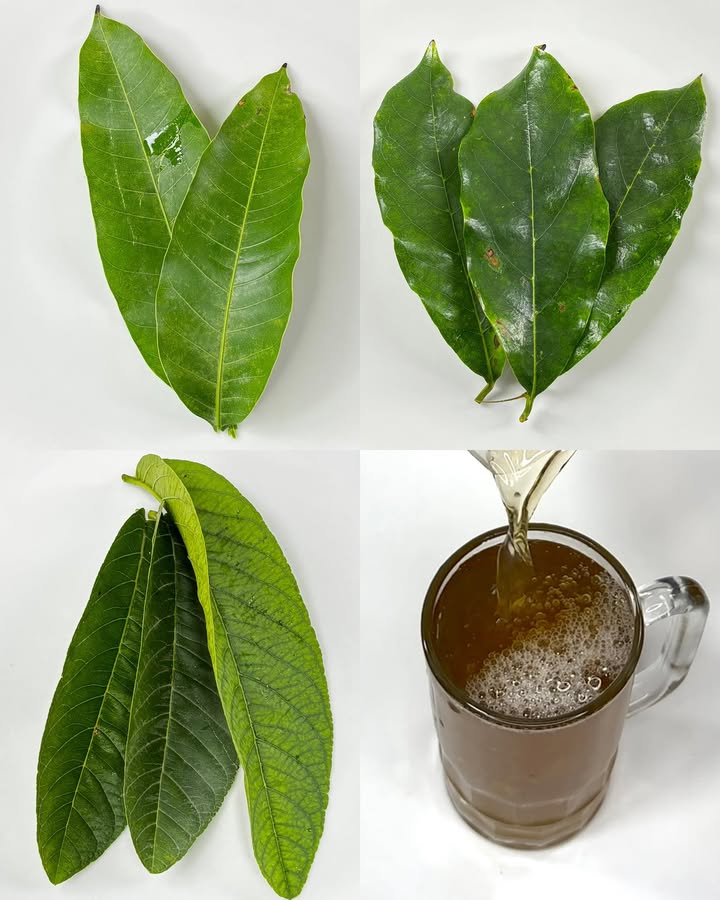
Natural Leaf Infusion to Support Health: A Traditional Remedy with Modern Insights
🌿 In the quest for natural wellness, many people turn to traditional herbal remedies that have been passed down through generations. One such preparation is a tea made from the leaves of guava, soursop (guanábana), and mango, enhanced with a pinch of turmeric. This infusion combines ingredients celebrated in natural medicine for their antioxidant, anti‑inflammatory, and digestive properties. Below, we explore the science behind these leaves, how to prepare the tea correctly, and what you need to know before adding it to your daily routine.
🍃 Ingredients and Their Traditional Benefits
Each component in this infusion brings a unique profile of bioactive compounds. Let's examine them closely:
- Guava leaves (Psidium guajava) – Rich in flavonoids, tannins, and vitamin C. Traditional uses include treating diarrhea, improving digestion, and reducing oxidative stress. Studies suggest guava leaf extract may help lower blood sugar and cholesterol levels when consumed as part of a balanced diet.
- Soursop leaves (Annona muricata) – Known as guanábana, these leaves contain acetogenins and alkaloids with powerful antioxidant and anti‑inflammatory effects. In folk medicine, they are used to support immune function and relieve joint discomfort. However, it's important to note that soursop extracts have been studied for potential interactions with certain medications, especially those affecting blood pressure and the nervous system.
- Mango leaves (Mangifera indica) – Mango leaves are a source of mangiferin, a potent polyphenol with antidiabetic, anti‑viral, and anti‑aging properties. They are traditionally used to soothe stomach upsets, regulate blood sugar, and support cardiovascular health.
- Turmeric (Curcuma longa) – The bright yellow spice owes its health benefits to curcumin, a compound with well‑documented anti‑inflammatory and antioxidant activity. Adding turmeric to the infusion not only enhances the flavor but also boosts the tea's ability to fight free radicals and support joint and liver health.
💡 Pro tip: To increase the absorption of curcumin, consider adding a pinch of black pepper to the infusion. Piperine in black pepper can enhance curcumin bioavailability by up to 2000%.
📝 Step‑by‑Step Preparation
Making this leaf infusion is simple, but the quality of the ingredients matters. Here is a detailed recipe:
- Ingredients:
- 4 guava leaves, washed thoroughly and cut into small pieces
- 4 soursop (guanábana) leaves, washed and chopped
- 4 mango leaves, cleaned and chopped
- ½ liter (about 2 cups) of filtered water
- ½ teaspoon of turmeric powder
- Optional: a pinch of black pepper
- Preparation:
- Clean the leaves – Rinse each leaf under cool running water to remove dirt or residues. Cut them into smaller pieces to increase the surface area for extraction.
- Boil the water – Pour ½ liter of water into a saucepan and add all the chopped leaves. Stir in the turmeric powder (and black pepper if using).
- Simmer for 15 minutes – Bring the mixture to a boil, then reduce the heat to medium and let it simmer for exactly 15 minutes. This time allows the active compounds to infuse into the water without becoming too bitter.
- Strain and serve – Turn off the heat, let the tea cool for a minute, then strain it through a fine‑mesh sieve or cheesecloth into a cup. Drink warm or at room temperature.
⚠️ Important: Do not reuse the same leaves for a second brewing, as most of the beneficial compounds are extracted during the first infusion. Always use fresh leaves or properly dried ones from a trusted source.
🕒 How and When to Consume This Infusion
The recommended pattern for adults is to drink one cup every morning, on an empty stomach or with breakfast, for a period of two consecutive weeks. After that, take a break of at least a week before repeating, to avoid overstimulation of the digestive system.
🌞 Morning consumption is preferred because the tea's natural compounds can support metabolism and provide a gentle energy boost without the jitters of caffeine. It also helps hydrate the body after a night's sleep and kick‑starts digestion.
Remember that this infusion is a complement, not a replacement for meals or other healthy habits. It works best when paired with a diet rich in vegetables, fruits, whole grains, and lean proteins, plus regular physical activity and adequate sleep.
🔬 Scientific Perspective: What Research Says
While traditional use supports many of the claimed benefits, modern research provides a more nuanced view. For example, a 2018 study published in the Journal of Ethnopharmacology found that guava leaf tea helped reduce post‑meal blood sugar spikes in healthy adults. Similarly, mango leaf extracts have shown promise in animal models for improving insulin sensitivity.
However, human studies on soursop leaves are limited, and some caution is needed because certain compounds in soursop (annonacin) have been associated with neurotoxicity when consumed in very high amounts or as concentrated supplements. The small dose in this tea is unlikely to cause harm for most people, but it underscores the importance of moderation and medical supervision.
Turmeric’s benefits are widely recognized, but its low bioavailability means that the tea alone may not deliver therapeutic doses. That is why the addition of black pepper (or fats like a splash of coconut milk) can be beneficial.
⚠️ Important Safety Considerations
Before you start drinking this or any herbal tea, please read these critical points:
- This infusion is NOT a substitute for prescribed medications or medical treatments. It does not cure cancer, diabetes, high blood pressure, or circulatory problems. If you have a chronic condition, rely on your doctor's plan first.
- Consult a healthcare professional if you are pregnant, nursing, or have a pre‑existing health condition. Some herbs can stimulate uterine contractions or interact with medications (e.g., blood thinners, antihypertensives, diabetes drugs).
- Check for interactions – Turmeric may increase the effect of anticoagulants (e.g., warfarin). Soursop leaves can potentiate the effects of certain antidepressants. Always inform your doctor about any herbal supplements you take.
- Listen to your body – If you experience nausea, dizziness, allergic reactions (rash, itching), or digestive upset, stop using the tea and seek medical advice.
🩺 Remember: Herbal remedies are powerful tools, but they require respect and knowledge. A healthy lifestyle, regular medical check‑ups, and professional guidance are the true pillars of lasting well‑being.
💚 Conclusion: A Gentle Step Toward Natural Wellness
This leaf infusion – combining guava, soursop, mango, and turmeric – offers a pleasant way to incorporate traditional herbal wisdom into your daily routine. Its potential benefits include antioxidant support, improved digestion, and gentle anti‑inflammatory action. However, it is not a magic bullet. To truly support your health, use this tea as one element of a broader strategy that includes a balanced diet, exercise, stress management, and regular medical oversight.
✅ Final takeaway: Enjoy this tea as a mindful morning ritual, but do not let it replace professional care. If you are curious about herbal remedies, start with small amounts, observe how your body responds, and always keep an open dialogue with your healthcare provider. Nature offers many allies – but the best medicine is informed, responsible, and personalized.
🌱 Cheers to your health, one cup of nature at a time!
Deja una respuesta