Natural Leaf Infusion to Support Health
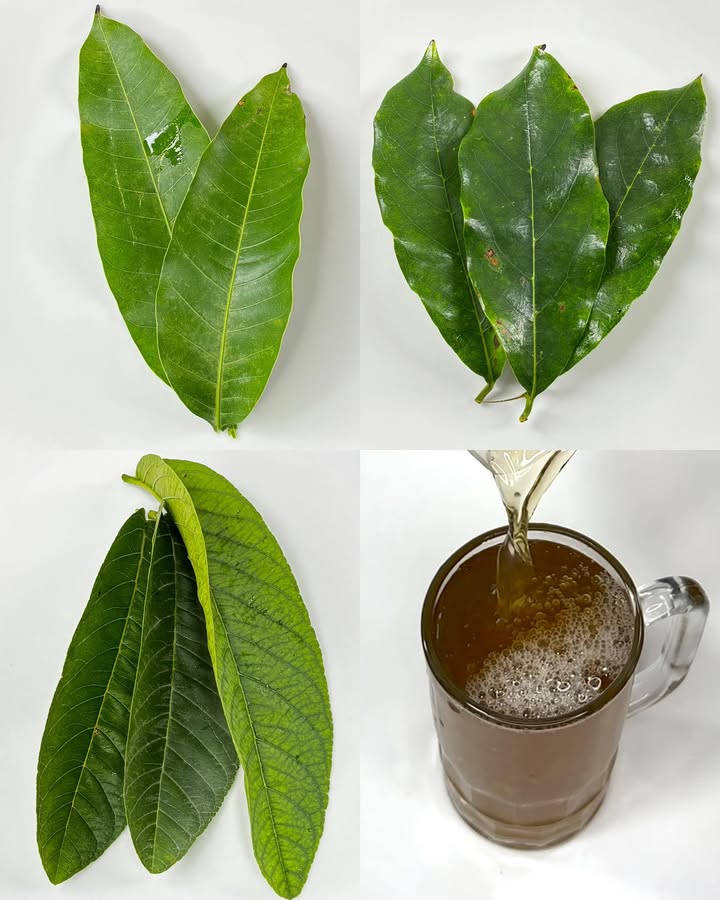
Natural Leaf Infusion to Support Health 🌿
In our search for natural ways to support well-being, traditional herbal knowledge offers a treasure trove of options. This article delves into a specific infusion, blending leaves from the guava, soursop, and mango trees with a hint of turmeric. More than just a soothing beverage, this preparation taps into centuries of folk medicine, where these plants were revered for their supportive properties. We'll explore the "why" behind each ingredient, provide a detailed preparation guide, and crucially, discuss how to integrate this practice safely and effectively into a modern, health-conscious lifestyle. Remember, the goal is complementary support, not replacement, for professional medical care.
The Power Behind the Leaves: A Traditional Blend
This infusion isn't a random mix; it's a deliberate combination of botanicals traditionally used in various cultures. Guava leaves (Psidium guajava) are often noted for their digestive and antioxidant properties. Soursop leaves (Annona muricata) have a long history in herbal traditions for their soothing qualities. Mango leaves (Mangifera indica) are also recognized in Ayurvedic practice. The addition of turmeric, with its active compound curcumin, adds a powerful layer of antioxidant support. Together, these ingredients create a synergy aimed at promoting overall balance and wellness from within. It's a gentle, daily ritual rooted in the wisdom of using food and plants as medicine.
A Closer Look at the Ingredients
Understanding what you're consuming is key. Here’s a breakdown of the components and what makes them special:
- Guava Leaves (4 leaves): 🍃 Rich in antioxidants like flavonoids and quercetin. They have been traditionally used to support digestive comfort and healthy blood sugar levels already within the normal range.
- Soursop Leaves (4 leaves): 🍃 These leaves contain various compounds studied for their potential. In herbal practice, they are commonly prepared as a tea for their calming and supportive effects.
- Mango Leaves (4 leaves): 🍃 Known for their mangiferin content, a potent antioxidant. They have been used to support vascular health and respiratory function.
- Turmeric Powder (1/2 teaspoon): 🧡 The golden superstar. Curcumin in turmeric is a well-researched anti-inflammatory and antioxidant agent, making it a valuable addition to any health-supportive regimen.
- Water (1/2 liter): 💧 The pure base that extracts the beneficial compounds from the leaves and spice.
Tip: Always source leaves from organic, pesticide-free trees, or use high-quality dried leaves from reputable herbal suppliers.
Crafting Your Infusion: A Step-by-Step Guide
Preparation is simple, but precision ensures you get the most benefit from your herbs.
- Clean & Prepare: 🧼 Thoroughly wash all fresh leaves under cool running water. This removes any dust or environmental residues. Pat them dry and cut or tear them into small pieces to increase the surface area for better extraction.
- Combine: 🍲 Place the prepared leaves into a small saucepan or pot. Add the half liter (about 2 cups) of fresh, cold water.
- Add Turmeric: Stir in the half teaspoon of turmeric powder. A tiny pinch of black pepper can be added here, as piperine enhances curcumin absorption.
- Steep & Simmer: ⏲️ Bring the mixture to a boil, then reduce the heat to a gentle simmer. Cover and let it simmer for 15-20 minutes. Avoid a rolling boil, as high heat can degrade some delicate compounds.
- Strain & Serve: 🫖 Remove from heat. Strain the liquid carefully into a cup or teapot, pressing the leaves gently to extract all the liquid. Your infusion is ready to drink.
How to Integrate This Infusion into Your Routine
Consistency and context are everything. For optimal experience, drink one cup each morning on an empty stomach or after a light breakfast for a period of two weeks. This allows your body to interact consistently with the plant compounds. Consider it part of a morning mindfulness ritual. This is not a "quick fix" but a supportive practice. After two weeks, you may take a one-week break before resuming, if desired, to maintain your body's responsiveness. Always accompany this practice with a balanced diet, adequate hydration, and regular physical activity.
Essential Considerations and Safety First ⚠️
Natural does not automatically mean safe for everyone. Heed these crucial points:
✔️ This infusion is a complementary wellness practice, NOT a medical treatment. It is absolutely vital to understand that this tea does not cure, treat, or prevent diseases like cancer, diabetes, or hypertension. It is meant to support general health within a holistic framework.
✔️ Professional medical guidance is non-negotiable. If you have any diagnosed chronic condition (e.g., diabetes, heart disease, autoimmune disorders) or are pregnant/breastfeeding, you must consult your doctor or a qualified herbalist before trying this or any herbal remedy.
✔️ Beware of herb-drug interactions. The compounds in these leaves can interact with certain medications, including blood thinners, diabetes drugs, and blood pressure medications. A healthcare professional can review your medications for potential interactions.
✔️ Listen to your body. Discontinue use immediately if you experience any adverse reactions like stomach upset, allergic symptoms, or headaches.
Conclusion: Embracing a Holistic Path to Wellness
This natural leaf infusion represents a beautiful bridge between traditional plant wisdom and modern self-care. When prepared and consumed mindfully, it can be a valuable component of a health-supportive daily routine. The true foundation of wellness, however, is built on multiple pillars: a nutrient-rich diet, regular exercise, stress management, quality sleep, and routine medical check-ups. Use this herbal tea as a tool to enhance your journey, not as a standalone solution. By respecting both the power of plants and the importance of professional science, you empower yourself to make informed, balanced choices for your long-term health and vitality. 💚
Deja una respuesta