Natural Leaf Infusion to Support Health
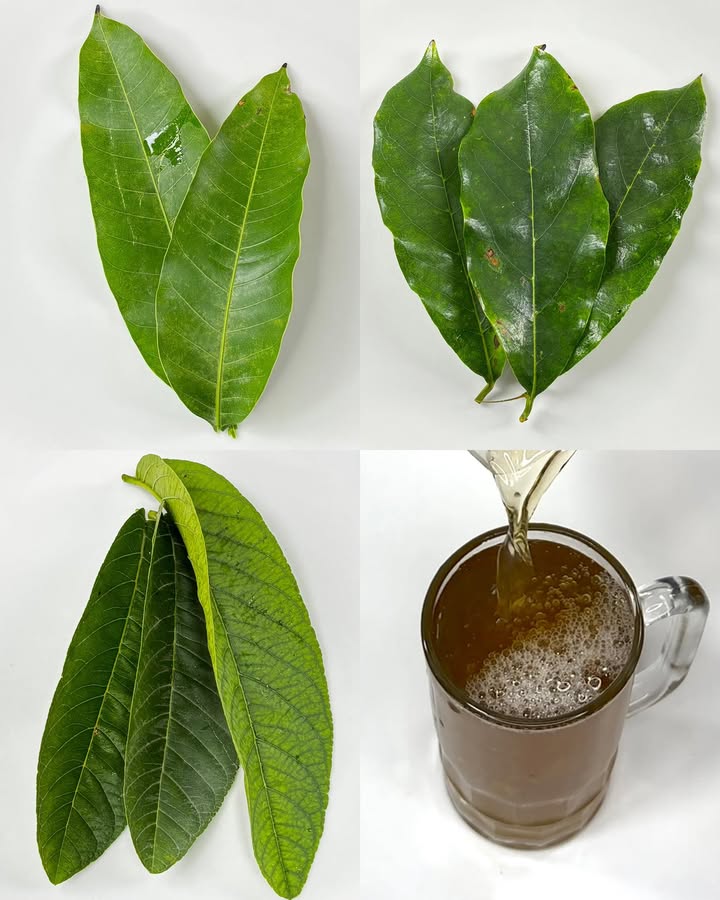
Natural Leaf Infusion to Support Health
🌿 In the world of natural wellness, plant-based infusions have been cherished for centuries as gentle yet effective allies for daily health. This article presents a carefully crafted infusion that combines the leaves of guava, soursop (guanábana), and mango, enhanced with a touch of turmeric. Each of these ingredients carries a long tradition in herbal medicine, prized for their antioxidant and digestive properties. Whether you are exploring complementary approaches to support your well‑being or simply looking for a flavorful, nutrient‑rich tea, this recipe offers a practical starting point. Throughout this guide, we will dive into the science behind these leaves, explain how to prepare the infusion correctly, and outline important safety considerations. Remember, this drink is meant to complement—not replace—professional medical advice and treatment.
Why These Three Leaves? 🌿
Guava leaves are packed with powerful antioxidants like quercetin and vitamin C. They have been used traditionally to soothe digestive discomfort and support immune function. Studies suggest that guava leaf extracts may help reduce oxidative stress and even support healthy blood sugar levels when used as part of a balanced diet.
Soursop (guanábana) leaves are renowned in tropical herbalism for their calming and anti‑inflammatory properties. They contain acetogenins—natural compounds that have been investigated for their potential to support cellular health. Many people turn to soursop leaf tea to promote restful sleep and aid digestion, though scientific research is still ongoing.
Mango leaves are often overlooked, yet they are rich in mangiferin, a unique antioxidant with anti‑inflammatory and antimicrobial effects. In traditional practices, mango leaf tea is used to help regulate blood pressure and support respiratory health. The leaves also contain various polyphenols that contribute to overall vitality.
By combining these three leaves, you create a synergistic blend that targets multiple aspects of wellness—from digestion to antioxidant defense. Adding turmeric, with its active compound curcumin, further amplifies the anti‑inflammatory potential of the infusion. 🌱
The Role of Turmeric ✨
Turmeric is a golden spice celebrated worldwide for its bioactive curcuminoids. While curcumin is known for its potent antioxidant and anti‑inflammatory effects, it is poorly absorbed on its own. Interestingly, the presence of black pepper greatly enhances absorption, but even without it, a small amount of turmeric in a warm infusion can offer gentle support. In this recipe, the turmeric also adds a subtle earthy flavor and a beautiful golden hue. 🌟
For best results, consider adding a pinch of black pepper to the infusion after straining—this can increase curcumin bioavailability by up to 2,000%. However, if you are on blood‑thinning medication, check with your healthcare provider first, as high doses of turmeric may interact with anticoagulants.
Step‑by‑Step Preparation 📝
Creating this infusion is straightforward, but attention to detail ensures you extract the maximum benefits without bitterness.
- Ingredients: 4 guava leaves, 4 soursop leaves, 4 mango leaves (all fresh or dried), ½ liter of water, ½ teaspoon turmeric powder.
- Wash thoroughly: Rinse each leaf under cool running water to remove dirt or residues. If using dried leaves, still give them a quick rinse.
- Chop for better extraction: Cutting the leaves into small pieces increases the surface area, allowing more bioactive compounds to release into the water.
- Combine and boil: Place the chopped leaves and turmeric in a saucepan, add the water, and bring to a gentle boil. Reduce heat to medium and let it simmer for exactly 15 minutes. Avoid boiling too vigorously, as this can destroy some heat‑sensitive compounds.
- Strain and serve: After 15 minutes, remove from heat. Strain the liquid into a cup using a fine‑mesh sieve or cheesecloth. You can enjoy it warm or at room temperature. Optionally, add a teaspoon of honey or a squeeze of lemon for taste. 🍯
Pro tip: For a stronger infusion, you can let the leaves steep in the hot water for an additional 5 minutes after turning off the heat. However, longer steeping may increase bitterness, especially from the mango leaves.
How to Consume for Best Results 🕒
The recommended dosage is one cup each morning for a period of two consecutive weeks. Drink it on an empty stomach or between meals to maximize absorption. After two weeks, take a break of at least one week before resuming, to allow your body to reset. This cycling pattern is common in herbal traditions to prevent over‑stimulation and maintain effectiveness.
Keep in mind that herbal infusions work gently over time. You are unlikely to notice dramatic changes immediately. Instead, pay attention to subtle shifts in digestion, energy levels, or overall comfort. Always pair the infusion with a nutritious diet, adequate hydration, regular physical activity, and sufficient sleep. 💪
Important Precautions ⚠️
While this infusion is generally safe for most adults, there are critical points to consider:
- This is not a medicine. It does not replace prescribed treatments for cancer, diabetes, high blood pressure, circulatory disorders, or any other medical condition. Relying solely on herbal remedies can be dangerous.
- Consult a healthcare professional before starting any new herbal regimen, especially if you have a chronic illness, are pregnant or breastfeeding, or are scheduled for surgery.
- Drug interactions are possible. Soursop leaves may lower blood pressure and blood sugar, so if you are on antihypertensives or diabetes medication, monitor your levels closely. Turmeric can interact with blood thinners and some antidepressants. Mango leaves may also affect blood sugar.
- Allergies: If you are sensitive to plants in the Anacardiaceae family (like mango or pistachio), you might experience allergic reactions. Start with a small sip and wait for any adverse response.
- Purity of ingredients: Use leaves from trees that have not been treated with pesticides or chemical fertilizers. Wash them meticulously. If uncertain, opt for organic dried leaves from a reputable supplier.
📌 Remember: your health is a partnership between you and your medical team. Herbal infusions can be a lovely supportive tool, but they are never a substitute for professional care.
Final Thoughts: A Holistic Approach 💚
This guava, soursop, and mango leaf infusion with turmeric is a testament to the wisdom of traditional herbal knowledge. When used mindfully and in conjunction with a balanced lifestyle, it can offer gentle antioxidant support, aid digestion, and contribute to a sense of overall well‑being. However, the true foundation of health lies in consistent habits: eating whole foods, staying active, managing stress, and attending regular medical check‑ups.
Recap: We explored the unique benefits of each leaf, the role of turmeric, the precise preparation method, and the crucial safety considerations. The infusion is a complementary practice—not a cure—and it works best when integrated into a larger health strategy.
🌱 As you incorporate this natural infusion into your routine, listen to your body. Notice how it responds. Adjust the frequency if needed. And always keep your healthcare provider informed. Herbalism is a journey of learning and respect for nature’s gifts. Sipping a cup each morning can be a calming ritual that reminds us to nurture ourselves from the inside out.
Your call to action: If you are curious, start with a small batch, follow the preparation steps carefully, and observe the effects over two weeks. Share your experience with your doctor, and if you find it beneficial, make it a part of your wellness toolkit—with the awareness that true health is built on many pillars, not just one tea. 🍃
Deja una respuesta