Natural leaf infusion to support health
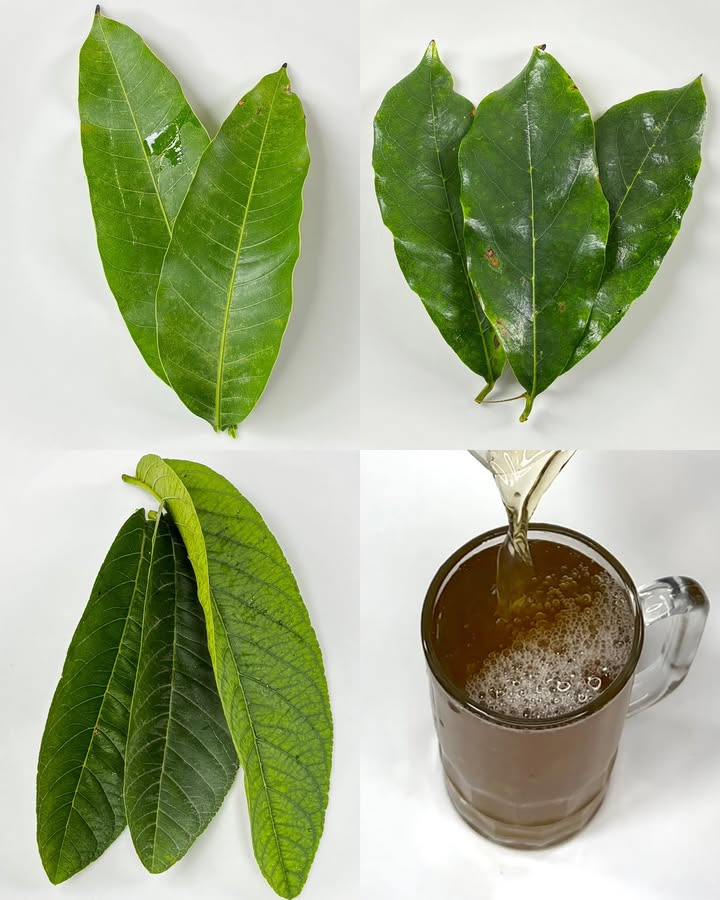
Natural Leaf Infusion to Support Health
In the world of natural wellness, few traditions are as time-honored as the use of herbal infusions. This particular blend combines four powerful plant allies: guava leaves, soursop leaves, mango leaves, and a touch of turmeric. Each ingredient has been used for centuries in folk medicine across tropical regions, praised for its antioxidant, anti-inflammatory, and digestive-supporting properties. While no herbal tea is a magic cure, this infusion can be a wonderful addition to a balanced lifestyle when used wisely. In this article, we explore not just the recipe, but the science and tradition behind each leaf, how to prepare it correctly, and crucial safety guidelines to keep in mind.
🌿 Why These Ingredients? A Deeper Look at Their Benefits
Understanding why each leaf is included helps you appreciate the synergy of this infusion. Let's break down the key components:
Guava Leaves (Psidium guajava): Rich in flavonoids like quercetin and vitamin C, guava leaves are well-known for their antioxidant and antimicrobial effects. Traditional medicine uses them to soothe digestive issues such as diarrhea, bloating, and stomach inflammation. Research also suggests they may help regulate blood sugar levels by inhibiting certain enzymes. 🍃 Their mild, slightly astringent flavor balances the blend.
Soursop Leaves (Annona muricata): Soursop has gained attention for its potential anticancer properties in vitro, but it is crucial to note that these studies are preliminary and do not replace medical treatment. In herbal practices, soursop leaves are used to support the immune system, reduce inflammation, and promote restful sleep. However, caution is required because excessive consumption may cause neurotoxicity due to annonacin content. Always use sparingly and consult a healthcare professional.
Mango Leaves (Mangifera indica): Young mango leaves are loaded with tannins, mangiferin, and other polyphenols. They are traditionally used to manage diabetes by improving insulin sensitivity and lowering blood glucose levels. They also support healthy digestion and have mild anti-inflammatory properties. The leaves add a subtle earthy note to the tea. 🌱
Turmeric (Curcuma longa): This golden spice needs little introduction. Curcumin, its active compound, is a potent anti-inflammatory and antioxidant. Adding just half a teaspoon to the infusion enhances the bioavailability of the other nutrients and gives the tea a warm, peppery undertone. For best absorption, pair it with a pinch of black pepper (optional). 🟡
📝 Step-by-Step Recipe: How to Prepare the Herbal Infusion
Follow these simple steps to create a flavorful and beneficial tea. Always use fresh, pesticide-free leaves from a reliable source or your own garden.
- Ingredients:
- 4 fresh guava leaves, washed thoroughly and chopped into small pieces
- 4 fresh soursop leaves, washed and chopped
- 4 fresh mango leaves (preferably young, tender leaves), washed and chopped
- ½ liter (about 2 cups) of filtered water
- ½ teaspoon turmeric powder (or a 1-inch piece of fresh turmeric, sliced)
- Preparation:
1️⃣ Rinse all leaves under cool running water to remove dirt and residues. Pat them dry.
2️⃣ Cut the leaves into small pieces to maximize the surface area and release their active compounds.
3️⃣ In a small saucepan, combine the chopped leaves and water. Add the turmeric powder.
4️⃣ Bring to a boil over medium-high heat, then reduce the heat to low and let it simmer covered for 15 minutes. Simmering, not boiling vigorously, helps preserve delicate antioxidants.
5️⃣ Remove from heat and let it steep for 5 more minutes, covered.
6️⃣ Strain the infusion through a fine-mesh sieve or cheesecloth into a cup. Discard the solids.
7️⃣ Serve warm. You may add a teaspoon of honey or lemon if desired, but avoid sugar to maintain the health benefits.
Pro tip: For a stronger infusion, you can increase the number of leaves to 5 each, but keep the water volume the same. Do not exceed 6 leaves per variety unless advised by a herbalist.
🕒 How to Incorporate This Infusion Into Your Daily Routine
Herbal teas work best when consumed consistently as part of a healthy regimen. Here are practical guidelines for enjoying this infusion:
- When to drink: The best time is on an empty stomach in the morning, about 20–30 minutes before breakfast. This allows your body to absorb the beneficial compounds without interference from food. Some people also enjoy a second cup in the late afternoon.
- Duration: The original recommendation suggests drinking one cup daily for two consecutive weeks. After that, take a break of at least one week before resuming. This prevents any potential buildup of compounds and gives your system a rest.
- Pair with a balanced diet: This infusion is not a meal replacement. Pair it with whole foods rich in fiber, healthy fats, and lean proteins. Avoid consuming it alongside heavy, processed foods, as that may counteract its digestive benefits.
- Listen to your body: Start with half a cup the first day to see how you react. If you experience any discomfort (nausea, dizziness, or allergic reactions), discontinue use immediately and consult a doctor.
⚠️ Important Safety Considerations You Must Know
While natural ingredients are generally safe, they are not without risks. This infusion is not a substitute for professional medical treatment for conditions like cancer, diabetes, high blood pressure, or circulatory disorders. Here are critical points to keep in mind:
- Medical consultation is essential: If you have a chronic illness, are pregnant, breastfeeding, or are under 18, talk to your healthcare provider before trying this tea. Some compounds in soursop and guava leaves can interact with medications, including blood thinners, blood pressure drugs, and diabetes medications.
- Drug interactions: For example, soursop may potentiate the effects of antihypertensive drugs, causing dangerously low blood pressure. Turmeric can inhibit platelet aggregation, so avoid excessive use if you are on anticoagulants like warfarin.
- Not for long-term daily use: Prolonged consumption of soursop leaves (more than a few weeks continuously) has been linked to neurological issues in some studies. Stick to the recommended two-week cycle and rotate with other herbal teas if desired.
- Quality matters: Use only leaves that are known to be free of pesticides and heavy metals. If you forage your own leaves, ensure you can correctly identify the plants. Many toxic look-alikes exist (e.g., oleander leaves resemble mango leaves).
💚 Conclusion: A Gentle Nudge Toward Holistic Wellness
This natural leaf infusion offers a delicious way to support your body's own healing mechanisms with ingredients rooted in traditional wisdom. When prepared correctly and consumed mindfully, it can provide antioxidant support, aid digestion, and contribute to overall vitality. However, remember that no single tea can replace a balanced diet, regular exercise, stress management, and routine medical checkups. Use this recipe as a complementary tool, not a cure-all. As the original article wisely reminds us: “Plants can help, but the key is a healthy lifestyle, regular check-ups, and good professional follow-up.” ☯️
We encourage you to approach herbal remedies with both curiosity and caution. Try this infusion for two weeks, observe how you feel, and always prioritize safety. If you have any doubts, reach out to a qualified naturopath or your primary care physician. Here's to your health—one mindful cup at a time. 🌿🍵
Deja una respuesta